Description
 Sea Songs: California Coast: a three-movement work for Clarinet in B-flat and Piano that explores the fascinating ecosystem of fish and plants along the Southern California Coast and expanding down through Baja California Sur, Mexico. From rocks and crevices where animals hide and kelp forests that drift toward the surface, to eelgrass and the sandy ocean floor, this magical world is full of life and colorful fish and animals. Sea Songs: California Coast is inspired by the composer’s scuba diving adventures in Southern California and Baja California Sur, Mexico. It was commissioned by Dr. Jeremy Reynolds to premiere and record.
World Premiere recording available on the album SONGS OF SEA & STONE: Music of Jenni Brandon recorded by Dr. Jeremy Reynolds and released on Navona Records– August 8, 2025
Listen to a compilation from the world premiere performance at the University of Denver, October 2024. Dr. Jeremy Reynolds-clarinet with Dr. Margaret McDonald-piano . (Full recording coming August 2025)
Duration of entire work approximately 14:30
Program Note
I. California Spiny Lobster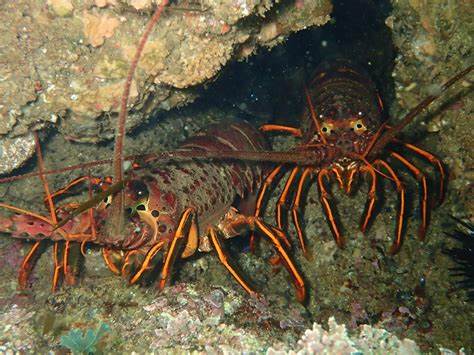
(Panulirus interruptus)
At the start of this movement, we find a nocturnal lobster tucked away in a rocky den, with only its antennae visible. As night falls, it cautiously emerges, sometimes swept up by a sudden ocean surge that sends it tumbling across the seafloor. A playful, “sneaky” tango sets the scene for its nighttime hunt, as it searches for sea urchins, clams, and mussels amid the shifting currents. To ward off predators, the lobster produces a distinctive rasping sound by rubbing its antennae over a file-like structure on its body—captured in this movement by three high-pitched notes preceded by quick grace notes. During the winter months, lobsters migrate into deeper waters, and at one point, a descending line reveals a procession of spiny lobsters moving in single file, disappearing into the mysterious depths of the sea.
II. Leopard Shark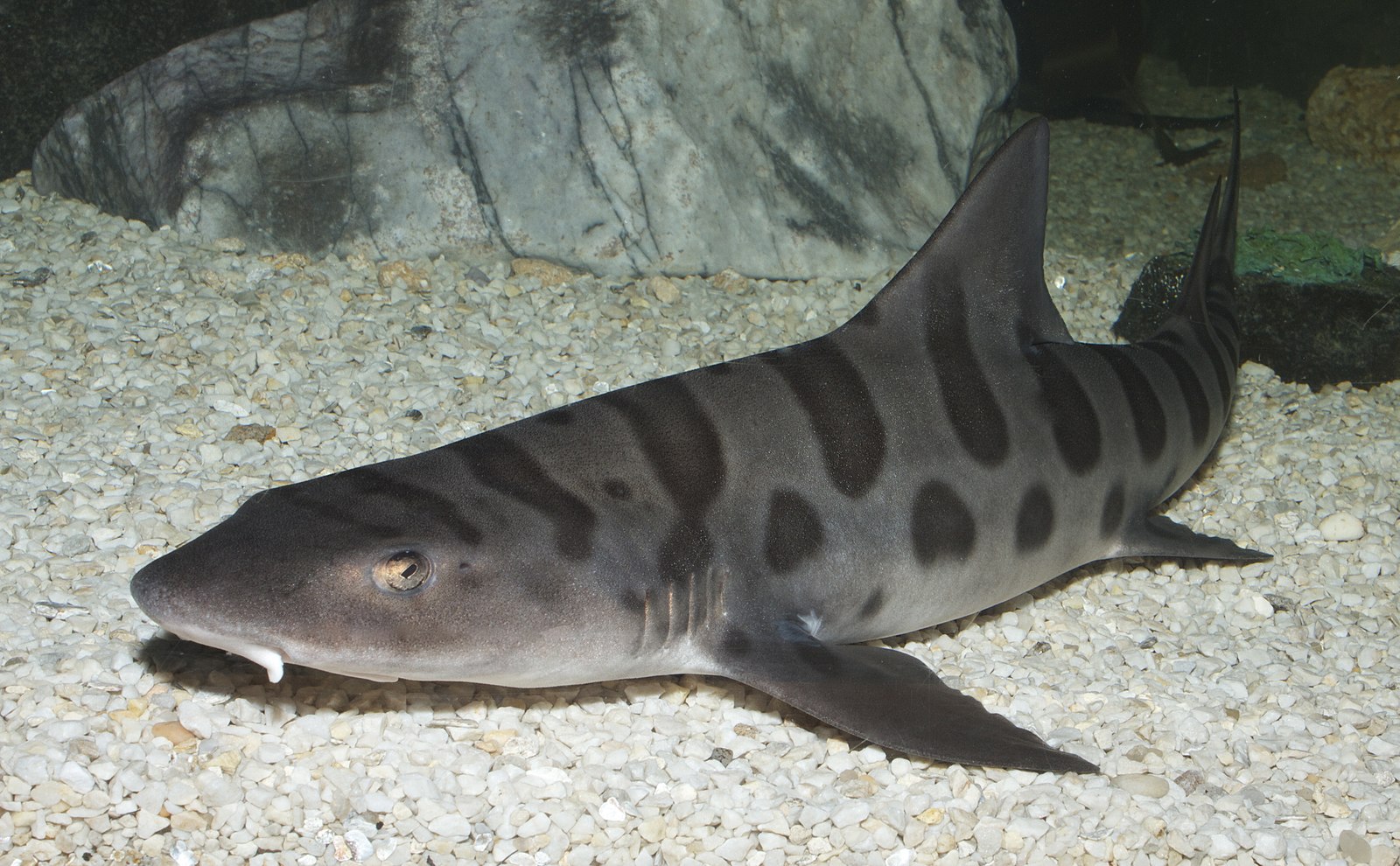
(Triakis semifasciata)
In this movement we encounter a leopard shark in the shallows near the shore, basking in the warmth of the sunlit water. These sharks are commonly found in shallow bays, resting on sandy bottoms during the day and actively hunting at night. They use habitats like mudflats and eelgrass beds as nurseries for their young. As the leopard shark alternates between swimming and resting in the shallow waters, it prepares to release its pups into the protective eelgrass, where they will find both food and shelter. The “Eelgrass Lullaby” near the end of the movement symbolizes the growth of the newborn sharks as they mature and eventually venture out on their own. With a lifespan of up to 30 years, leopard sharks are naturally cautious around humans, posing little to no threat.
III. California Moray Eel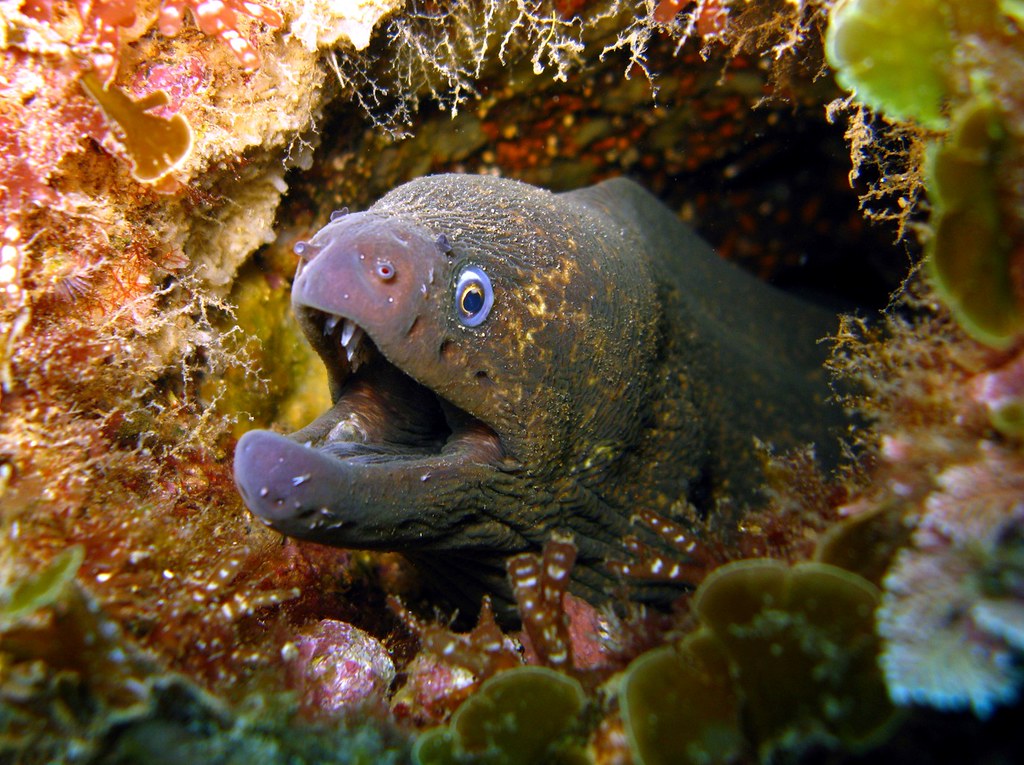
(Gymnothorax mordax)
The Moray Eel emerges from its rocky crevice, represented by the opening solo clarinet. Sliding between notes, it slips in and out of its den, depicted through a descending chromatic line. Techniques such as flutter tonguing, growls on low notes, and timbral trills evoke the stealth and cunning of this apex predator. As night falls, the eel ventures out into the kelp forest and beyond to hunt prey like octopuses, reflected in the rapid, rhythmic 3-note pattern that drive the attack. Listen for the final ascending line, culminating in a long, sweeping glissando—marked in the score as “slippery (and a little slimy)”—as the eel retreats to its den, ready to hunt another day.